QR Rapid
Create an SMS QR Code – Enable Instant Text Messaging
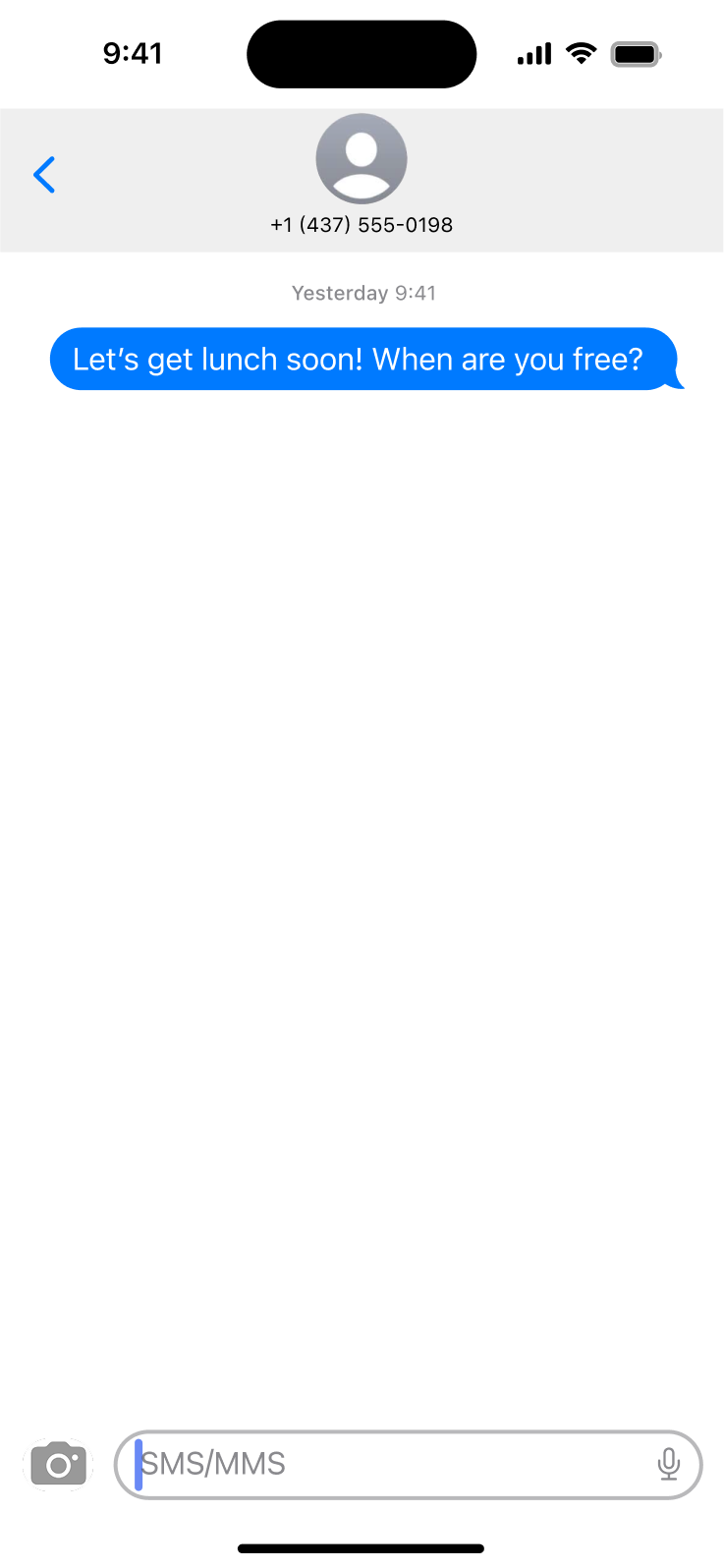
Transform phone numbers into scannable QR codes that open pre-filled text messages instantly on smartphones. Share SMS shortcuts for customer inquiries, feedback collection, contest entries, or any text-based communication. Perfect for marketing campaigns, customer service, events, and businesses wanting to make texting effortless and increase response rates.
Free To Create
No Credit Card Required
Real-Time Analytics
Edit & Customise Anytime
Want to generate other QR code types?
SMS
Trigger a text message
SMS
SMS
Trigger a text message
Website URL
Send users to any webpage
Website URL
Website URL
Send users to any webpage
Wi-Fi
Let users connect instantly
Wi-Fi
Wi-Fi
Let users connect instantly
Menu
Create a digital menu
Menu
Menu
Create a digital menu
Start a chat with one tap
Start a chat with one tap
Image
Showcase visuals
Image
Image
Showcase visuals
Show a downloadable file
Show a downloadable file
MP3
Share audio directly
MP3
MP3
Share audio directly
Video
Play a video instantly
Video
Video
Play a video instantly
Open an email draft
Open an email draft
Text
Display simple text
Text
Text
Display simple text
vCard
Share contact details
vCard
vCard
Share contact details
Crypto
Accept Crypto payments
Crypto
Crypto
Accept Crypto payments
List of links
Share everything in one place
List of links
List of links
Share everything in one place
Coupon
Unlock special offers
Coupon
Coupon
Unlock special offers
Event
Promote an event
Event
Event
Promote an event
APP
Link to your app
APP
APP
Link to your app
Social media
Link all your socials
Social media
Social media
Link all your socials
How to Create a QR Code for a SMS
Creating a QR code for SMS messages is quick and simple with QR Rapid's QR code generator. Follow these three steps to enable instant text messaging:
1
Enter Your Phone Number and Message
Input the phone number where you want to receive texts and create an optional pre-filled message that appears automatically when users scan, making it easy to start conversations.
2
Generate Your SMS QR Code
Create your SMS QR code and customize it with your branding, colors, and clear frames like "Text Us" or "Send Feedback" that encourage engagement and communication.
3
Display and Promote Everywhere
Download your code and place it on print ads, product packaging, receipts, signage, or marketing materials. Users scan to open pre-filled texts ready to send with one tap.
Text Message Marketing at the Speed of a Scan
Launch instant SMS conversations, promotions, and opt-ins with QR codes that pre-populate text messages automatically. SMS QR codes drive contest entries, enable quick customer service access, and create direct mobile engagement channels—transforming casual scanners into active participants while building valuable subscriber lists for your business.
Retail & Consumer Goods: Customer Feedback Collection
Retail businesses use SMS QR codes on receipts, product packaging, and store signage collecting instant customer feedback, reviews, and satisfaction surveys through convenient text-based responses. Receipt codes include pre-filled messages like "Rate your experience today" encouraging immediate feedback while shopping experiences remain fresh in customers' minds. Product packaging features codes with messages such as "Text us your product review" capturing user experiences, suggestions, and testimonials that inform product development and marketing. In-store signage displays codes with pre-filled "Need assistance?" messages connecting customers with staff when service attention is needed without searching for employees or waiting at service desks. Loyalty program enrollment uses codes with messages like "JOIN for exclusive offers" simplifying sign-up through text-based registration versus lengthy forms or app downloads. Sale and promotion participation includes codes with contest entry messages enabling customers to enter giveaways, sweepstakes, or promotional campaigns through quick text responses. Customer service access provides codes throughout stores with messages like "Text your question to support" offering convenient assistance channels beyond phone calls or in-person inquiries. Post-purchase follow-up includes codes on bags or packaging with reorder reminder messages encouraging repeat purchases through simple text-based ordering.
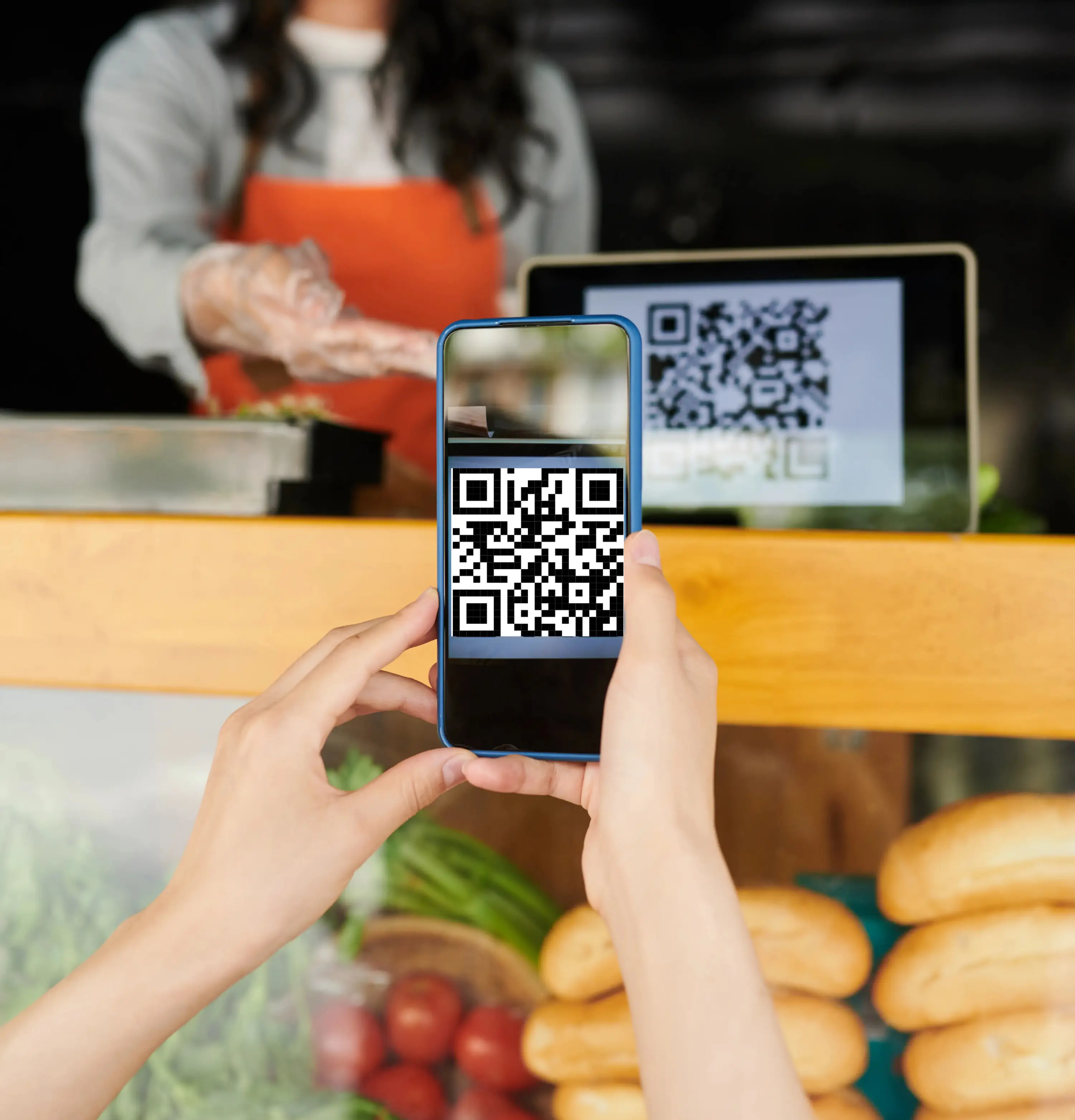
Restaurants & Hospitality: Reservation and Ordering Systems
Restaurants and hotels implement SMS QR codes on tables, menus, and marketing materials enabling text-based reservations, takeout orders, feedback submission, and service requests. Table tent codes include messages like "Text to join the waitlist" allowing walk-in customers to add themselves to queues remotely avoiding crowded waiting areas and returning when tables are ready. Takeout menu codes feature pre-filled "I'd like to order..." messages initiating text-based ordering conversations that restaurants manage through SMS systems or staff responses. Feedback collection codes on receipts prompt "Rate your meal 1-5" gathering quick satisfaction metrics immediately after dining when impressions are most accurate. Hotel room cards display codes with "Request housekeeping" or "Order room service" messages enabling guests to text needs rather than calling front desks or locating physical service request cards. Restaurant marketing materials include codes with reservation request messages pre-filling "I'd like a table for [#] on [date]" streamlining booking processes without website navigation or phone calls. Special event RSVPs use codes with messages like "COUNT ME IN for [event]" simplifying event attendance confirmation through casual text responses versus formal reply mechanisms. Loyalty program updates include codes subscribers text to receive promotional alerts, exclusive offers, or menu update notifications building engaged customer communities.
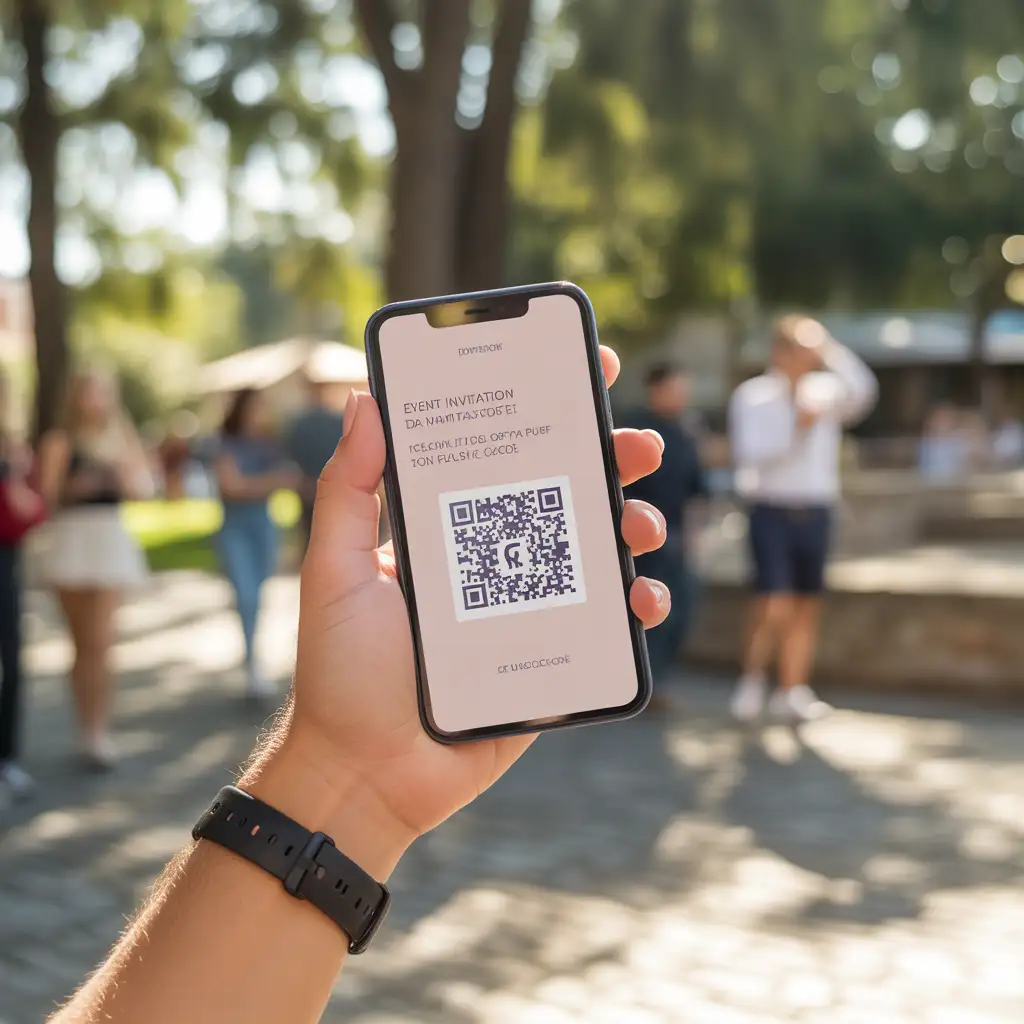
Events & Conferences: Attendee Engagement Tools
Event organizers integrate SMS QR codes in programs, badges, and venue signage facilitating text-based Q&A, feedback collection, contest participation, and real-time communication with attendees. Session Q&A codes displayed during presentations enable audience members to text questions anonymously for speakers to address during or after sessions without microphone sharing or public speaking anxiety. Live polling uses codes with voting message prompts collecting real-time audience opinions, preferences, or feedback through simple text responses tallied automatically or manually. Contest and giveaway entry includes codes with participation messages like "Text ENTER for a chance to win" increasing engagement and building attendee excitement during events. Feedback collection codes in post-session materials prompt "Rate this session 1-10" gathering immediate impressions informing future event planning and speaker selections. Emergency notifications use codes with alert subscription messages enabling attendees to receive urgent updates, schedule changes, or safety information via text during events. Networking facilitation includes codes with introduction messages like "I'd like to connect with [name]" helping organizers coordinate meetups or facilitate professional connections. Session resource access provides codes with document request messages triggering automated text responses containing presentation slides, handouts, or reference materials attendees use during or after events.
Real Estate: Property Inquiry Management
Real estate agents embed SMS QR codes on yard signs, property flyers, and marketing materials enabling instant text-based inquiries, showing requests, and information access without phone calls. Yard sign codes include messages like "Text for property info" triggering automated responses containing listing details, photos, virtual tour links, or agent contact information buyers receive immediately. Showing request codes pre-fill "I'd like to schedule a showing" messages connecting interested buyers directly with listing agents initiating conversation and appointment coordination conveniently. Open house registration uses codes with attendance messages enabling visitors to text arrival notifications helping agents track foot traffic and follow up with attendees post-visit. Neighborhood market updates include subscription codes with messages like "Get market updates" building text-based distribution lists for property alerts, price changes, or new listing notifications. Just listed and just sold announcements use codes in neighborhood marketing with messages like "Tell me about [address]" providing property details to curious neighbors considering selling or tracking market activity. Mortgage pre-qualification referrals include codes with messages connecting buyers to preferred lenders initiating financing conversations and streamlining transaction preparation. Property question codes throughout marketing materials pre-fill "I have a question about..." messages ensuring no interested prospect struggles to initiate contact due to communication barriers or timing issues.

Healthcare & Medical Services: Appointment and Reminder Systems
Healthcare providers use SMS QR codes on appointment cards, facility signage, and patient communications enabling text-based scheduling, prescription refills, and health reminders. Appointment reminder cards include confirmation codes with "Confirm my appointment" messages reducing no-shows through simple text-based confirmations versus phone calls requiring staff time. Prescription refill codes on medication labels pre-fill "Refill prescription [RX#]" messages initiating pharmacy processing without phone calls or online portal navigation particularly convenient for patients with mobility or technology limitations. Health screening reminders use codes with messages like "Schedule my screening" prompting preventive care appointments and improving population health outcomes through convenient scheduling access. Patient satisfaction surveys include codes with rating messages gathering feedback about care quality, staff interactions, and facility experiences informing continuous improvement efforts. Symptom monitoring for chronic conditions uses codes with check-in messages enabling patients to report status updates, medication side effects, or concerns triggering appropriate clinical responses. Telehealth appointment access includes codes with virtual visit request messages connecting patients to digital care options when in-person visits aren't necessary or convenient. Insurance and billing inquiries provide codes with question messages routing patients to appropriate administrative staff who respond to coverage questions, payment concerns, or account issues via text.
Convert Phone Numbers to SMS QR Codes Instantly with QR Rapid
QR Rapid makes it effortless to create professional SMS QR codes that enable instant text messaging and increase response rates. Whether you're collecting feedback, accepting orders, or facilitating communication, our platform offers powerful features designed to streamline text-based interactions. Generate your SMS QR codes easily.
Pre-Filled Message Templates
- Set custom message text that appears automatically when users scan
- Guide responses with specific prompts, questions, or instructions
- Reduce friction by eliminating message composition requirements
Multiple Number Management
- Create separate SMS codes for different departments or purposes
- Route inquiries to appropriate phone numbers or team members
- Organize codes by campaign, location, or message type
Universal Mobile Compatibility
- Works with all smartphones having messaging capabilities
- Opens native messaging apps automatically on any device
- No special apps or downloads required for sending texts
Campaign Performance Tracking
- Monitor scan counts revealing campaign reach and interest
- Track which codes generate the most engagement
- Measure effectiveness across different placements and materials
6 Effective SMS QR Code Implementation Ideas
1
Print Advertisements: Direct Response Campaigns
Include SMS QR codes in magazine ads, newspaper inserts, and direct mail pieces enabling instant text-based responses and measuring print advertising effectiveness through engagement tracking. Magazine advertisement codes feature messages like "Text YES for more information" converting passive readers into active leads through low-friction response mechanisms that don't require remembering websites or phone numbers. Contest and sweepstakes participation uses codes with entry messages like "Text ENTER to win" simplifying parti
2
Product Packaging: Customer Engagement Touchpoints
Embed SMS QR codes on product packaging, labels, and instruction inserts creating direct communication channels for reorders, support requests, and feedback collection. Reorder convenience codes include messages like "Reorder [product name]" enabling one-text repurchases particularly effective for consumable products, subscription items, or frequently replaced goods. Customer support access features codes with "Need help?" messages connecting customers directly to support teams who troubleshoot issues, answer question
3
Event Signage: Real-Time Attendee Communication
Display prominent SMS QR codes on event signage, venue displays, and program materials enabling text-based participation, information access, and attendee services. Live Q&A participation uses codes with question submission messages allowing audience members to text questions to speakers, moderators, or panelists who address queries during or after sessions. Contest and raffle entry includes codes with participation messages randomly selecting winners from text entries,
4
Restaurant Tables: Service Enhancement Tools
Install SMS QR codes on table tents, coasters, and menus enabling text-based service requests, orders, and feedback improving dining experiences and operational efficiency. Service request codes include messages like "We need assistance" alerting servers when tables need attention without customers searching for staff or waiting for server rotations. Reorder requests feature codes with "Another round please" messages notifying servers about drink refills, appetizer additions, or dessert int
5
Retail Store Signage: In-Store Customer Service
Feature SMS QR codes throughout retail locations on aisle signs, product displays, and fitting rooms providing convenient text-based assistance, product information, and shopping support. Product information requests use codes with inquiry messages like "Tell me about [product]" connecting shoppers with sales associates who provide details, comparisons, or recommendations via text. Size and availability checks include codes with stock inquiry messages enabling customers to text product codes
6
Business Cards: Immediate Contact Initiation
Add SMS QR codes to business cards providing instant text-based contact methods that recipients can use immediately after networking interactions without manually saving numbers or composing messages. Follow-up request codes include messages like "Great meeting you!" encouraging immediate connection establishing conversation while networking impressions remain fresh. Appointment scheduling uses codes with booking messages like "Let's schedule a meeting" initiating coordination conversati
Looking for a different type of QR Code?
Our QR Code generator lets you transform your content into a suitable QR Code: Website URLs, Wi-Fi passwords, Social Media pages, digital menus, PDFs, business cards, and much more.
SMS QR Code Explained: How They Work & Why Use Them
Understanding SMS QR codes helps businesses leverage text-based marketing and customer communication effectively while maintaining compliance and maximizing engagement.
What is an SMS QR Code?
An SMS QR code is a scannable barcode that opens a pre-filled text message in the user's native messaging app when scanned with a smartphone camera. The code can include the recipient phone number and optional message text that appears automatically in the message composition field ready to send. Users simply review the pre-filled content, optionally add additional text, and tap "Send" to transmit the message. Unlike URL codes requiring internet browsers or email codes opening mail applications, SMS codes activate messaging apps present on all mobile phones including basic feature phones without smartphone capabilities. This universality makes SMS codes accessible to broader audiences than many digital marketing technologies requiring specific apps, accounts, or internet connectivity.
How Do SMS QR Codes Work?
SMS QR codes encode "sms:" protocol URIs that mobile operating systems recognize as messaging commands. The encoded information includes the recipient phone number in standard format and optional pre-filled message text in URL-encoded format. When users scan codes with smartphone cameras, devices detect the SMS protocol and automatically open native messaging applications with all encoded information pre-populated. Users see the recipient number and message text in the composition interface similar to manually creating new text messages. Tapping "Send" transmits messages through users' cellular carriers using standard SMS infrastructure without internet requirements or special routing. Recipients receive texts from senders' actual phone numbers enabling two-way conversation and relationship building. Backend systems cannot directly track whether users actually send messages after scanning, but scan counts reveal how many people initiated the messaging process measuring campaign reach and interest.
Benefits of SMS Marketing via QR Codes
SMS QR codes solve multiple marketing challenges that traditional advertising and communication methods cannot address effectively or economically. Immediate response capability captures interest when enthusiasm peaks—customers scan at the moment of engagement versus intending to respond later and forgetting. One-click activation eliminates multiple steps—typing phone numbers, composing messages, overcoming initiation anxiety—that prevent traditional call-to-action completion. Universal accessibility works for all mobile phone users not just smartphone owners with specific apps installed removing technical barriers excluding potential customers. Personal connection builds relationships through two-way text conversations versus one-way advertising or impersonal web forms creating engagement and loyalty. High open rates leverage SMS's 98% open rate versus email's 20% ensuring marketing messages reach audiences and command attention. Mobile-native format reaches consumers where they spend most time—on smartphones—intersecting with existing behavior patterns versus requiring behavior changes. Cost effectiveness provides affordable customer communication particularly compared to direct mail, print advertising, or telemarketing achieving similar reach at fraction of expense.
Pre-Filled Message Best Practices
Crafting effective pre-filled messages significantly impacts SMS QR code performance and user engagement rates. Concise message length keeps pre-fills short—under 100 characters—ensuring full display on all screens without truncation and leaving space for user additions. Clear call-to-action states exactly what users should do—"Reply YES to subscribe," "Text your question," "Send DEAL for discount code"—eliminating confusion about next steps. Contextual relevance matches pre-filled content to code placement—product-specific messages on packaging, feedback prompts on receipts, contest entries at events—maintaining logical consistency. Brand voice consistency uses language, tone, and personality matching overall brand identity whether casual, professional, playful, or authoritative. Value proposition inclusion communicates benefit—"Get 20% off," "Join our VIP list," "Ask us anything"—motivating users to complete the action. Personalization opportunities when possible include location references, product names, or contextual details making messages feel tailored versus generic. Easy modification leaves pre-fills editable allowing users to personalize messages, add details, or completely rewrite if desired respecting user autonomy and preferences.
Legal and Regulatory Compliance
SMS marketing through QR codes introduces legal obligations under telecommunications regulations requiring careful attention and compliance. TCPA compliance in the United States mandates obtaining prior express written consent before sending marketing texts requiring clear opt-in mechanisms and consent documentation. GDPR requirements in European Union demand explicit consent, transparent data usage disclosure, easy opt-out mechanisms, and data protection measures for all electronic marketing. CASL regulations in Canada require express consent, clear identification of message senders, and functioning unsubscribe mechanisms for commercial electronic messages. Message content requirements prohibit deceptive headers, misleading subject lines, or false sender information maintaining honesty in all text communications. Frequency limitations may apply under various regulations restricting message volume, timing, or content preventing harassment or excessive contact. Opt-out response time mandates require honoring unsubscribe requests within specified periods—often 10 days—removing users from distribution lists promptly. Record keeping obligations necessitate documenting consent, message content, timing, and opt-out requests supporting compliance audits and defending against complaints. Professional legal advice specific to your jurisdiction and business model ensures appropriate compliance avoiding penalties, lawsuits, or reputational damage.
SMS vs Other Communication Channels
Selecting SMS codes versus alternative communication methods depends on audience preferences, message complexity, response urgency, and campaign objectives. Choose SMS for immediate response needs—contest entries, appointment confirmations, urgent inquiries—where real-time interaction provides value. Select SMS for mobile-first audiences particularly younger demographics preferring texting to phone calls or emails. Use SMS for simple interactions—confirmations, alerts, basic inquiries—where text format adequately conveys necessary information without rich media or formatting. Choose email instead for complex information—detailed explanations, lengthy documents, formatted content—where SMS character limits prove restrictive. Select phone calls for high-value sales, sensitive topics, or complex problem-solving where voice communication builds rapport and enables nuanced discussion. Use web forms when collecting extensive information, multiple fields, or structured data that SMS's conversational format cannot efficiently capture. Consider hybrid approaches using SMS for initial contact then transitioning to appropriate channels—"Text us and we'll call you," "Reply and we'll email details"—combining SMS convenience with other channels' capabilities.
SMS QR Codes vs Phone Call Requests
SMS QR Codes
Modern, convenient text communication
Low Friction - Users send texts in seconds versus committing to voice conversations
Asynchronous - No need for both parties to be available simultaneously
Less Intrusive - Texting feels more casual and less demanding than calls
Written Record - Automatic documentation of conversations and agreements
Preferred by Younger Demographics - Millennials and Gen Z favor texting over calling
Multitasking Friendly - Users can text while doing other activities
Reduced Anxiety - Eliminates phone call anxiety many people experience
Character Limits - Text length restrictions limit complex explanations
No Voice Nuance - Misses tone, emotion, and verbal cues in communication
Delayed Responses - May wait for replies unlike real-time phone conversations
Not Ideal for Urgency - Complex or urgent matters benefit from voice discussion
Phone Call Requests
Traditional voice communication
Rich Communication - Voice conveys emotion, urgency, and subtle meanings
Complex Problem Solving - Easier to discuss complicated issues verbally
Immediate Interaction - Real-time conversation for urgent matters
Personal Connection - Voice builds rapport and relationship stronger than text
No Typing Required - Faster for explaining detailed information verbally
Clarification Easy - Ask and answer questions immediately without delay
High Commitment - Requires dedicated time and attention from both parties
Intrusive Nature - Unexpected calls interrupt activities and demand immediate attention
Synchronous Requirement - Both parties must be available simultaneously
Phone Anxiety - Many people avoid calling, especially younger demographics
No Automatic Record - Requires manual note-taking to document conversations
Higher Barrier - More people hesitate to call versus sending quick texts
Business Hours Limited - Calling restricted to appropriate times unlike anytime texting
Frequently Asked Questions About SMS QR Codes
1. How do I create an SMS QR code?
2. Can I change the phone number or message after creating the QR code?
3. Do users need internet connection to send SMS from QR codes?
4. Will I know who scanned the SMS QR code?
5. Can I include pre-filled message text?
6. How do I manage incoming SMS messages?
7. Are there legal requirements for SMS marketing?
Still have questions?
Can’t find the answer you’re looking for? Please chat to our friendly team.